Industry-Integrated Lecture on Filtration and Centrifugation
Activity TypeGuest Lecture / Expert Talk
DepartmentPharmacy (Saraswati College of Pharmacy, Saraswati Institute of Pharmaceutica Education and Research
NAAC CategoryCriterion 2
SDGSDG 4, SDG 9
Accreditation ActivityIndustry Academia Interaction
VenueBlock E, LH 403
CoordinatorMr. Saurav Anand & Ms. Gursimran Kaur
Participants72
Resource Persons / Guests
Mr. Dixit Panday
QA Manager
Sun Pharma, Mohali
Description
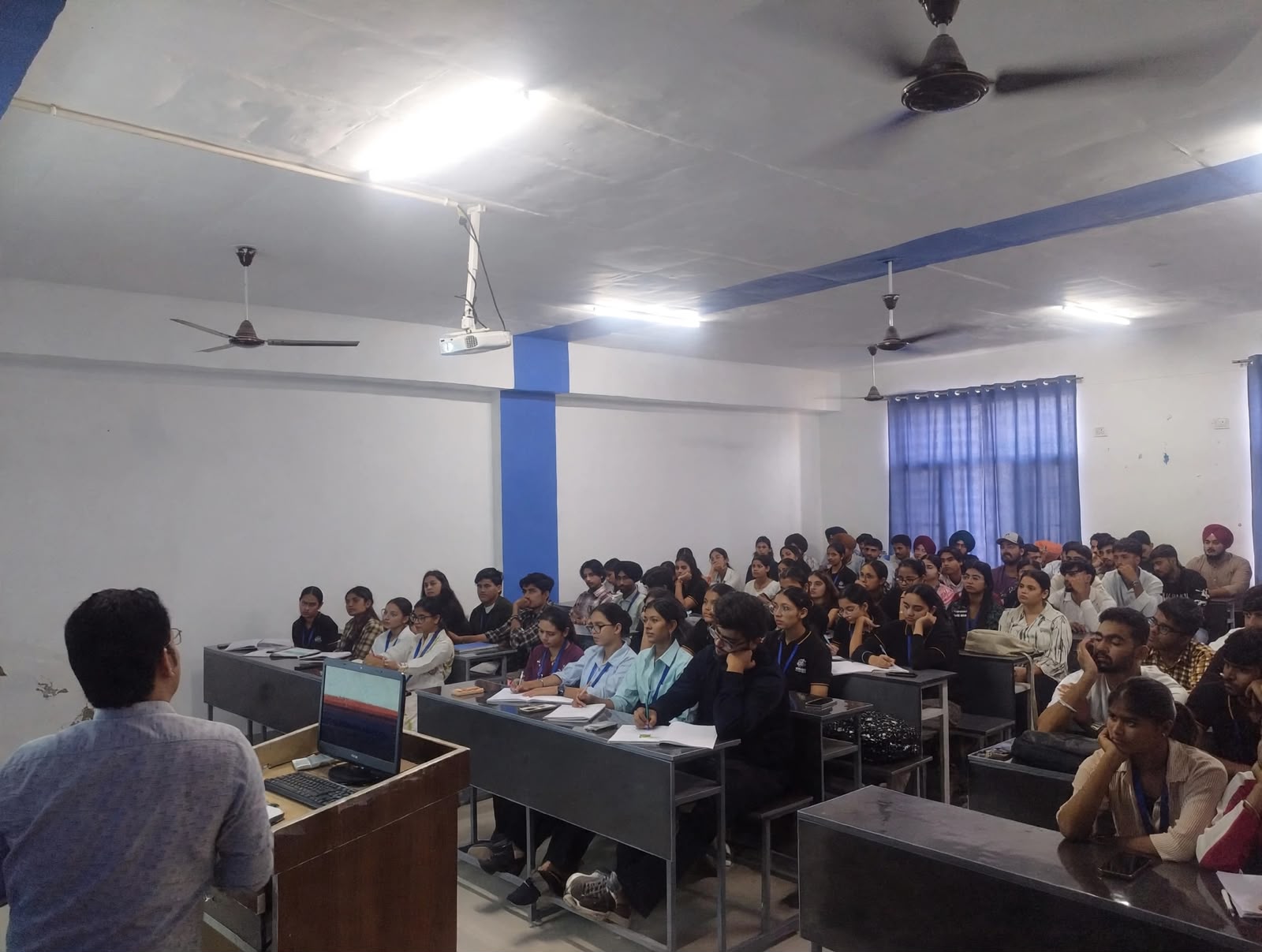
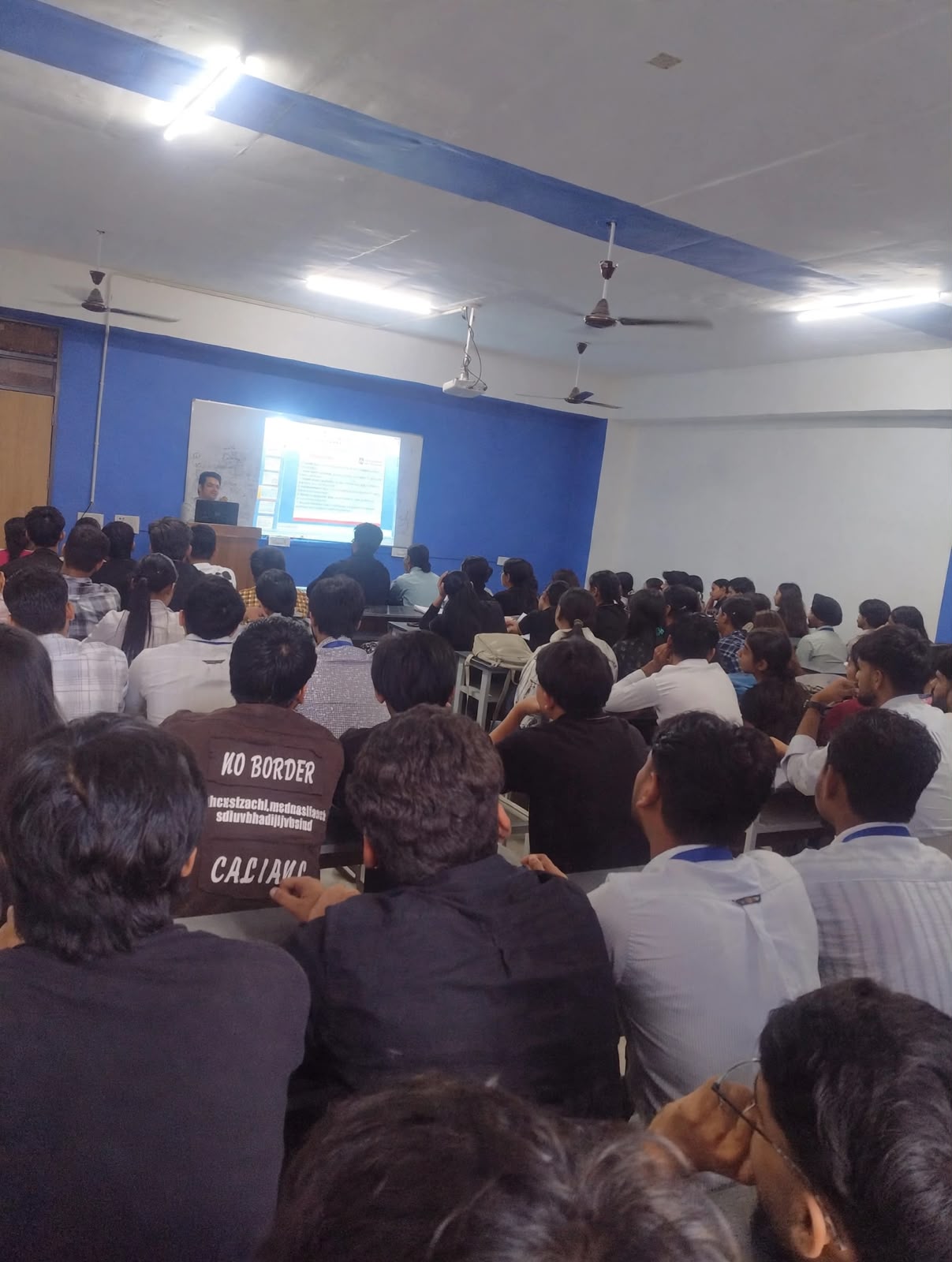
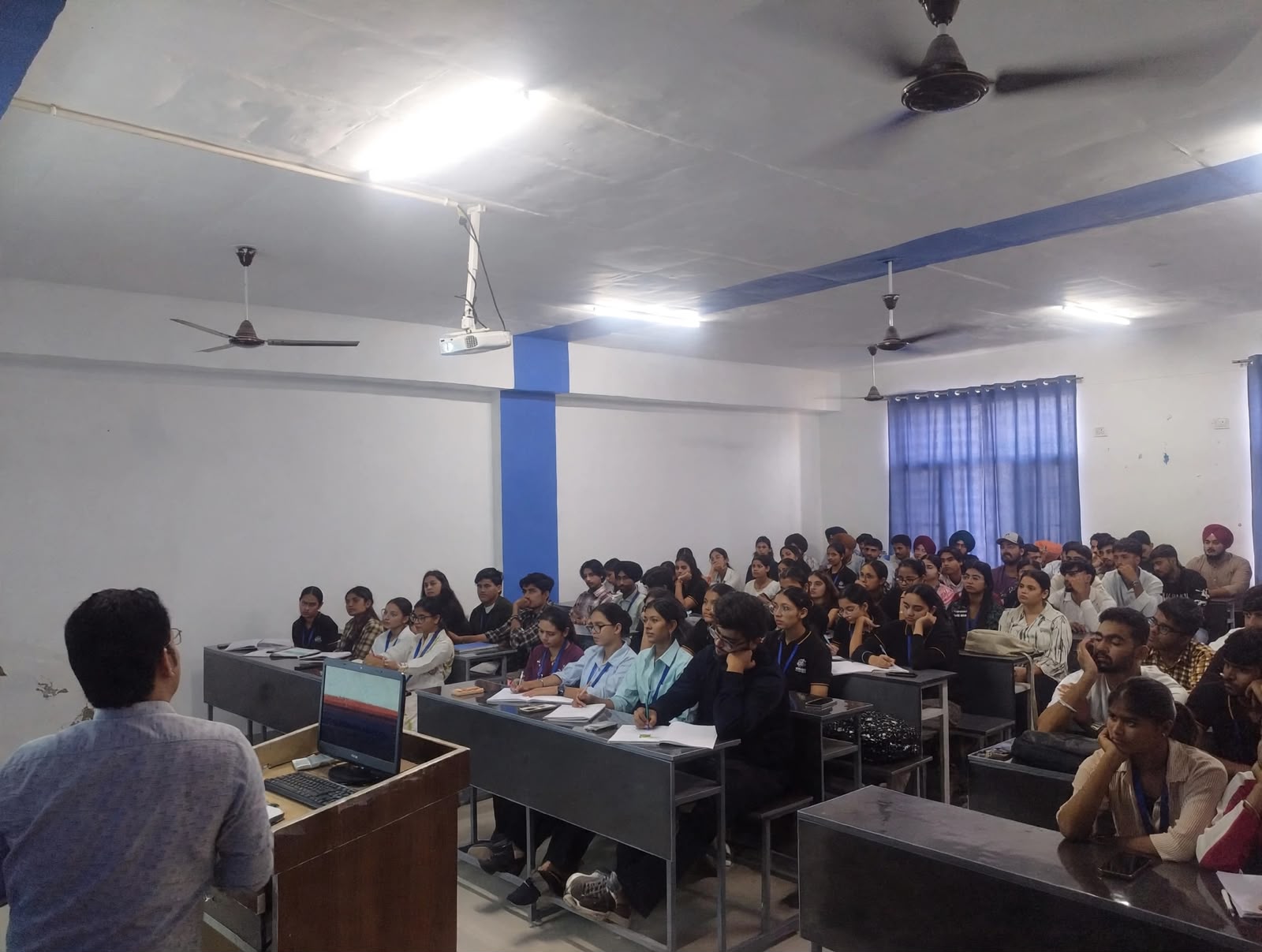
Saraswati College of Pharmacy and Saraswati Institute of Pharmaceutical Education & Research organized an Industry-Integrated Lecture on “Filtration and Centrifugation” for B.Pharm 3rd Semester students on 23rd October 2026 (Friday), from 10:00 AM to 3:30 PM.
The lecture was organized to provide students with practical exposure and industry-oriented knowledge of two important unit operations in pharmaceutical engineering.
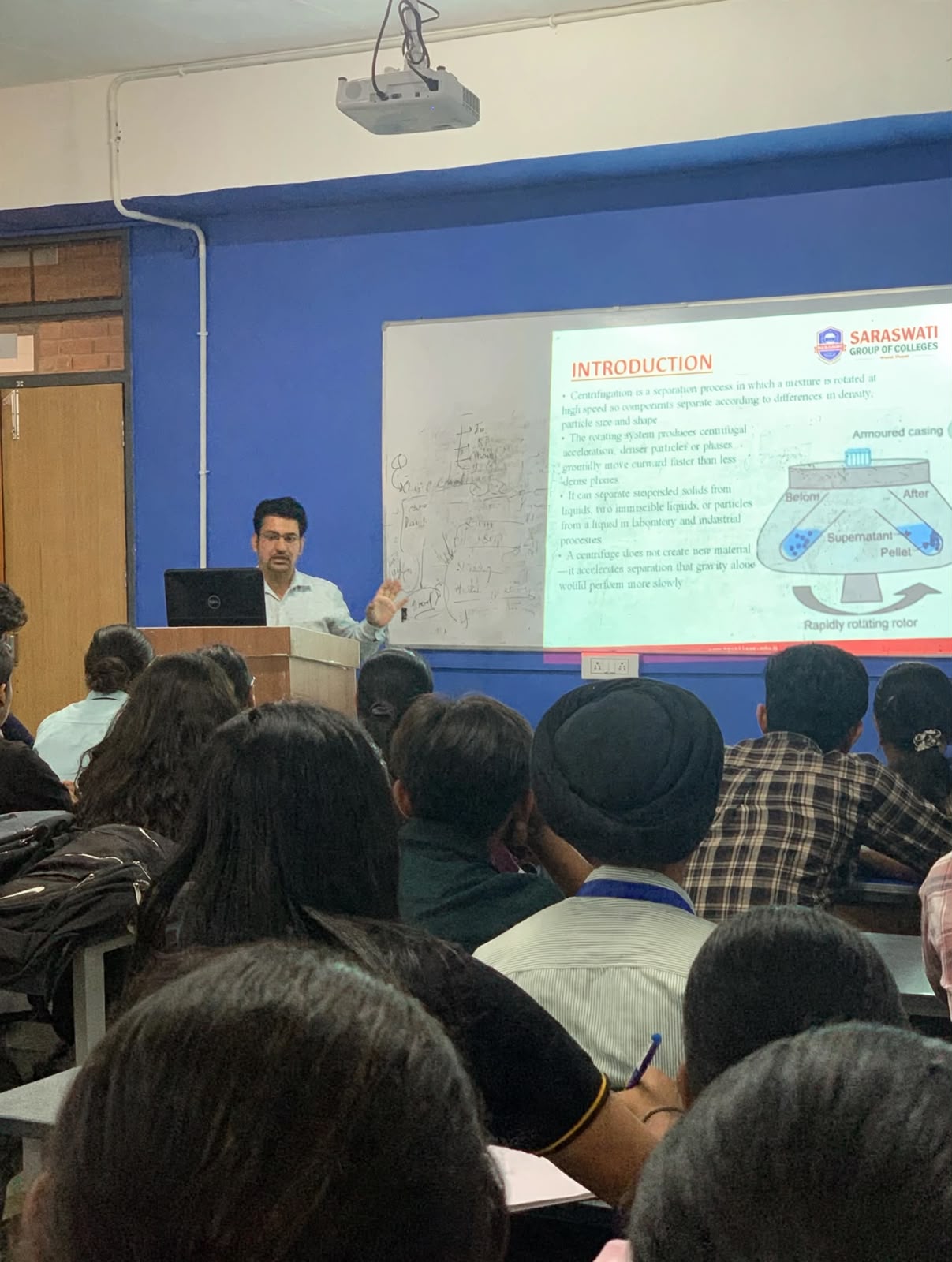
During the session, detailed discussions were conducted on the principles, mechanisms, types, and industrial applications of filtration and centrifugation. Various aspects of filtration, including filter media, filter aids, factors affecting filtration rate, and different industrial filtration equipment, were discussed. Similarly, the centrifugation process, its working principles, types of centrifuges, and their applications in pharmaceutical manufacturing were explained.
The industry-integrated approach helped students understand how these processes are implemented in actual pharmaceutical production settings. Interactive discussions and practical examples made the session informative and engaging, allowing students to relate their theoretical knowledge to industrial applications.
The lecture provided valuable insights into pharmaceutical unit operations and contributed to strengthening the technical knowledge and industry awareness of the students.
Objectives
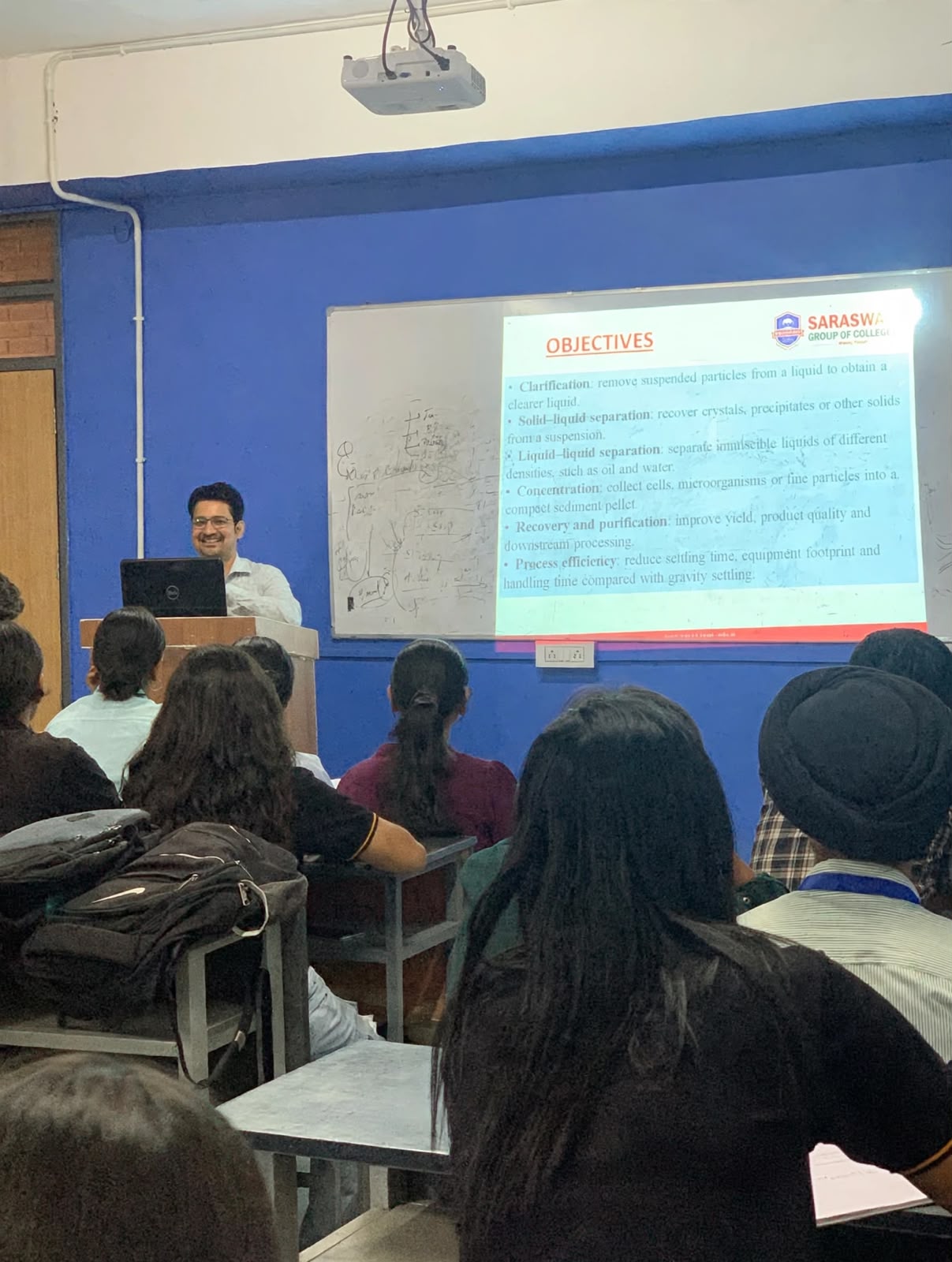
• To provide students with industry-oriented knowledge of filtration and centrifugation processes used in pharmaceutical manufacturing.
• To explain the fundamental principles and working mechanisms of different filtration and centrifugation equipment.
• To familiarize students with the industrial applications of these unit operations in pharmaceutical production.
• To bridge the gap between theoretical concepts and their practical implementation in the pharmaceutical industry.
• To enhance students' understanding of equipment selection, process efficiency, and industrial operating conditions.
Outcomes
1. Students gained a better understanding of the industrial significance of filtration and centrifugation.
2. Students became familiar with the working principles and applications of various industrial equipment.
3. The session enhanced their understanding of the practical challenges associated with solid-liquid separation processes.
4. Students developed awareness of the importance of filtration and centrifugation in pharmaceutical manufacturing and quality control.
5. The lecture helped students connect classroom learning with real-world industrial practices.
Gallery